
Wildlife Spotting Journey
Reviews
Wildlife Spotting Journey stands out for its deliberate lack of timers and competitive pressure. The game rewards patience and careful observation, using subtle environmental cues and species-specific habits to create a tracking experience that feels earned. Its stylized visuals and layered ambient audio support the mood without overwhelming the screen. The educational notes add genuine value for younger players and natural history enthusiasts. The main limitation is that the experience may feel too slow for those seeking action or clear progression goals, but for its intended audience it delivers a focused, accessible nature game.
About this game
Reading the Landscape
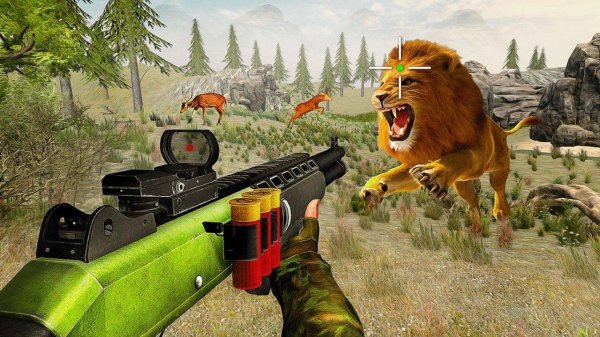
Wildlife Spotting Journey asks you to slow down rather than race a clock. You move through open landscapes and wooded areas, scanning the horizon for movement. Each area presents different terrain, from tall grasses to rocky outcrops, which changes how you approach your search. The game encourages you to take your time, listen to ambient sounds, and notice small details in the environment.
Tracking Without a Compass
Success depends on reading the land. Animals leave subtle signs: a rustle in the bushes, a flash of color between trees, or a distant call. The game provides a simple set of tools to help you zoom in and mark locations. Using these effectively requires practice, as each species has its own habits. Some animals appear in open areas at dawn, while others prefer shaded spots during midday.
Facts Woven Into Play
Every encounter teaches you something new. The game includes brief informational notes about the animals you find, covering their diet, social structure, and typical range. This educational layer is woven naturally into the gameplay, so you absorb facts while you play. The content is designed to be accessible to younger players while still offering depth for adults who enjoy natural history.
Clarity Over Realism
The graphics use a clean, stylized look that emphasizes clarity over realism. Animals are easy to identify, and the color palette shifts between different habitats to keep each area visually distinct. The sound design plays a key role, with layered ambient tracks that change as you move from forest to plain. Birdsong, wind through leaves, and distant animal calls all help create an immersive atmosphere.
Simple Controls, Broad Access
Interaction is kept simple. You tap or click to move your viewpoint, and use on-screen prompts to activate your observation tools. The interface is uncluttered, with no complex menus or timers. This makes the game suitable for players who may not have extensive gaming experience. It works equally well on a desktop computer or a touchscreen device, with responsive controls that adapt to your input method.









Comments
0 comments