
Classic Shell Squad Platformer
Reviews
Classic Shell Squad Platformer succeeds in capturing the feel of late-80s arcade games without feeling like a cheap imitation. The four playable characters each handle differently enough that swapping between them becomes a meaningful tactical decision rather than a gimmick. Stage design makes good use of its urban and underground themes, with hazards that require precise timing. The pixel art and chiptune soundtrack are well-executed and consistent. While the game is relatively short, its focus on resource management and pattern memorization gives it solid replay value for fans of the genre.
About this game
Character Roster & Unique Tools
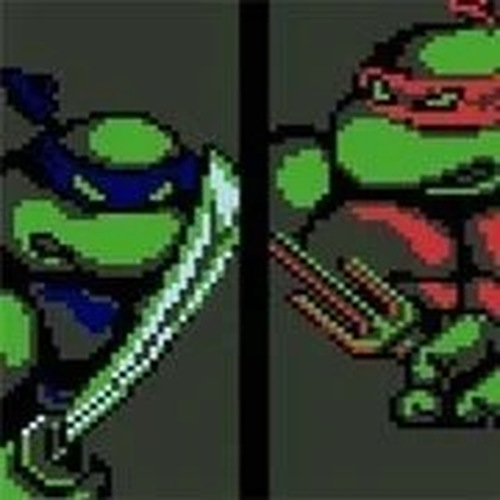
Each of the four playable characters in Classic Shell Squad Platformer comes equipped with a signature item that defines their combat approach. One hero might use a sharp blade for close encounters, while another prefers ranged sais for keeping enemies at a distance. These differences mean that no single character is ideal for every situation. Players who learn to rotate between the four team members will find themselves better prepared for the varied threats that appear across the game's stages.
Stage Design & Environmental Hazards
The levels in this game draw inspiration from two primary settings: the gritty underground tunnels beneath the city and the open streets above. Each environment presents its own set of obstacles. Underground areas may feature narrow passages and sudden drops, while street-level stages include moving vehicles and elevated platforms. Timing jumps and attacks becomes essential when navigating these spaces, as enemies often appear in groups that require careful positioning to overcome.
Enemy Encounters & Boss Confrontations
Foot soldiers of various types patrol the stages, each demanding a slightly different response. Some rush forward aggressively, while others attack from a distance. Learning their movement patterns allows players to avoid unnecessary damage. At the end of each level, a more powerful foe awaits. These boss encounters test the player's understanding of the game's mechanics and often require switching between characters to exploit weaknesses.
Resource Management & Health Recovery
Scattered throughout the levels are collectible items that restore health to the active character. Managing these resources carefully is important because the game ends when all four heroes have been defeated. Players must decide when to risk exploring off the main path for extra supplies and when to push forward toward the stage exit. This resource management layer adds a strategic element to what might otherwise be a straightforward action game.
Visual Style & Audio Atmosphere
The pixel art graphics and chiptune soundtrack deliberately evoke the look and sound of late 1980s arcade and console games. Character sprites are colorful and clearly distinguishable, making it easy to identify which hero is currently active. The music shifts between stages to match the environment, with more intense tracks playing during boss encounters. This attention to audio-visual consistency helps create an immersive retro experience.










Comments
0 comments