
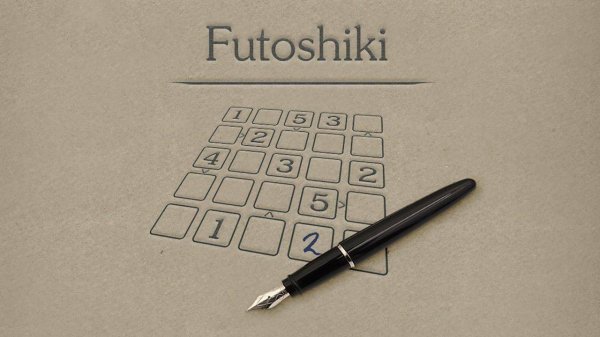
Inequality Grid Puzzle
Reviews
Inequality Grid Puzzle stands out among deduction games by blending familiar row-and-column rules with relational clues. The clean interface keeps focus on the logic, while three difficulty levels accommodate both beginners and seasoned solvers. Each puzzle guarantees a unique solution, eliminating frustration from ambiguous setups. The lack of time pressure or scoring distractions makes it ideal for unwinding. Over time, players develop sharper pattern recognition and a deeper appreciation for structured reasoning. It is a well-crafted experience for anyone who enjoys quiet mental challenges.
About this game
Core Logic System
At its heart, this puzzle presents a square grid where each row and column must contain a complete set of digits without repetition. The twist comes from inequality symbols placed between adjacent cells. These signs indicate whether one number is larger or smaller than its neighbor, providing essential clues. Players rely solely on deductive reasoning to fill the grid, making each move a thoughtful step toward completion.
Grid Structure and Difficulty
Puzzles typically begin with a 5x5 layout, though larger grids offer extended challenges. Three difficulty levels allow newcomers to start gently while experienced solvers can test their reasoning with more complex arrangements. Every puzzle is designed to have exactly one correct solution, so there is no guesswork—only careful logic.
Visual Design and Navigation
The interface is clean and uncluttered, with numbers and symbols displayed clearly. Tapping or clicking a cell brings up a simple number selector, making input quick and precise. The layout is optimized for both desktop and mobile screens, ensuring comfortable play during short breaks or longer sessions.
Progression and Satisfaction
As players solve more puzzles, their ability to spot patterns and use inequality clues improves. The gradual increase in difficulty provides a natural learning curve. Each completed grid brings a sense of accomplishment, reinforcing the appeal of pure logic challenges.




Comments
0 comments