
Fortress Escape: Logic Platformer
Reviews
Fortress Escape succeeds by focusing on what matters: clear puzzle design and a calm, focused atmosphere. The pixel art is functional and charming, never distracting from the core gameplay. Each room feels like a self-contained riddle that encourages careful thought rather than frantic action. The controls are responsive and intuitive, letting players concentrate on solving problems. The gradual introduction of new mechanics keeps the experience fresh without overwhelming. For anyone who enjoys thoughtful platforming with a logic twist, this game delivers a consistently rewarding experience.
About this game
Core Puzzle Mechanics
Fortress Escape blends platform navigation with deductive reasoning. Players move through a series of chambers, each designed around a specific logic puzzle. The primary goal is to reach the room's exit by interacting with levers, pressure plates, and movable blocks. Success depends on understanding how these elements connect to open pathways or disable traps. The game encourages thoughtful exploration rather than speed, rewarding players who take time to study their environment before acting.
Environmental Design & Atmosphere
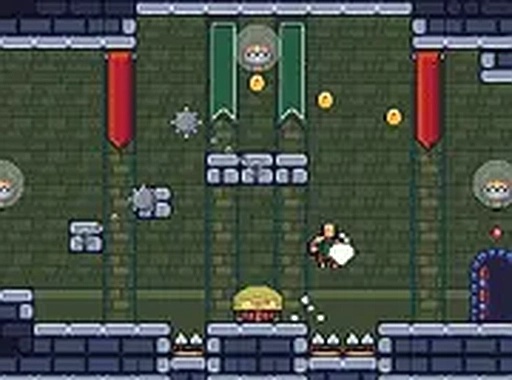
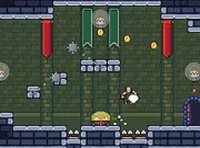
The fortress setting is rendered in a crisp pixel art style that emphasizes clarity over clutter. Each room has a distinct layout, with stone walls, wooden beams, and flickering torchlight creating a consistent medieval mood. The color palette uses earthy tones that make interactive objects stand out clearly. This visual approach helps players quickly identify actionable items while maintaining an immersive atmosphere. The background music is subtle, using soft ambient tones that do not distract from concentration.
Progression & Difficulty Curve
Early rooms introduce basic concepts like single lever doors and simple gaps. Later chambers combine multiple puzzle elements, requiring players to sequence actions in the correct order. The difficulty increases gradually, ensuring that new mechanics are learned one at a time. Some rooms may include moving platforms or timed switches that test both logic and reflexes. This balanced progression keeps the experience accessible for newcomers while offering enough complexity to engage experienced puzzle enthusiasts.
Controls & Player Experience
The control scheme is straightforward, with directional movement and a single action button for interacting with objects. This simplicity allows players to focus on solving puzzles rather than memorizing complex inputs. The game is designed for short play sessions, making it suitable for quick breaks. Each room can be completed in a few minutes, and progress is saved automatically after each successful exit. This structure supports both casual play and longer sessions for those who wish to tackle multiple rooms in one sitting.






Comments
0 comments